
 脑认知的迅速发展标志着人类对自身精神与心理活动的进一步认知,认知过程与中枢神经系统的结构的关系密切且复杂,值得深入了解和探究。
因此,我们开设了一期生物学方向的科研,邀请耶鲁大学School of Medicine的Prof. Li亲自指导,将为大家呈现神经生物学基础,了解解剖学和人类大脑的组织及其功能。同时,还将分析人类如何感知、如何决策、及思维的形成过程,以及讲述不同形式的精神和心理障碍对大脑产生的影响及作用,为同学们将来在生物学、生物化学、生物医学方向的学习奠定基础。
脑认知的迅速发展标志着人类对自身精神与心理活动的进一步认知,认知过程与中枢神经系统的结构的关系密切且复杂,值得深入了解和探究。
因此,我们开设了一期生物学方向的科研,邀请耶鲁大学School of Medicine的Prof. Li亲自指导,将为大家呈现神经生物学基础,了解解剖学和人类大脑的组织及其功能。同时,还将分析人类如何感知、如何决策、及思维的形成过程,以及讲述不同形式的精神和心理障碍对大脑产生的影响及作用,为同学们将来在生物学、生物化学、生物医学方向的学习奠定基础。
教授介绍

耶鲁大学医学院精神病学和神经科学教授 加州理工大学,计算和神经系统博士 国际精神神经药理学院研究员 露丝-基尔希斯坦国家研究服务奖药物滥用研究临床科学家 曾发表多篇在国际学术界极具影响力的论文
科研大纲
L1: Neurons and Synapses: how neurons communicate 神经元和突触:神经元如何相互作用
We will cover the structure and function of neurons, the biophysical mechanisms of action potential, synaptic mechanisms, a broad overview of neurotransmitters and how altered neurotransmission leads to neurological and mental illnesses.
L2: How do we see and hear - Visual and Auditory System 我们是如何看以及听事物的-视觉和听觉系统
We will cover the structure and function of the visual and auditory circuits, from the peripheral organs to the central nervous system (CNS). We will discuss findings from animal and human experiments to show how we see and hear with information coded, transformed and relayed at each stage of the circuit.
L3: How do we move - Somatosensory and Motor System 我们是如何活动的-体感和运动系统
We will describe the peripheral organs and central neural circuits that support somatosensory sensation and motor function (output). We will focus on hand and eye movements in response to external stimuli and to "volition" to illustrate the bottom-up and top-down processes.
L4: How do we feel - Emotion System 我们是如何感受的-情感系统
We will describe how the limbic circuits respond to emotional stimulation, the physiological and hormonal manifestations of emotional responses, and how we regulate emotions.
L5: How do we make decisions - Cognitive Control System 我们如何制定决策-认知控制系统
We will describe the various scenarios where we make a decision, and the component psychological processes involved in learning and optimal decision making. Both animal and human experiments will be described to illustrate the cognitive constructs.
L6: When things go wrong - neurological and mental illnesses 当我们的身体机能出现问题时-神经和精神疾病
We will provide a broad overview of various clinical conditions that result from altered CNS structure and function, including Parkinson's disease, Alzheimer's disease, schizophrenia, and post-traumatic stress disorder.
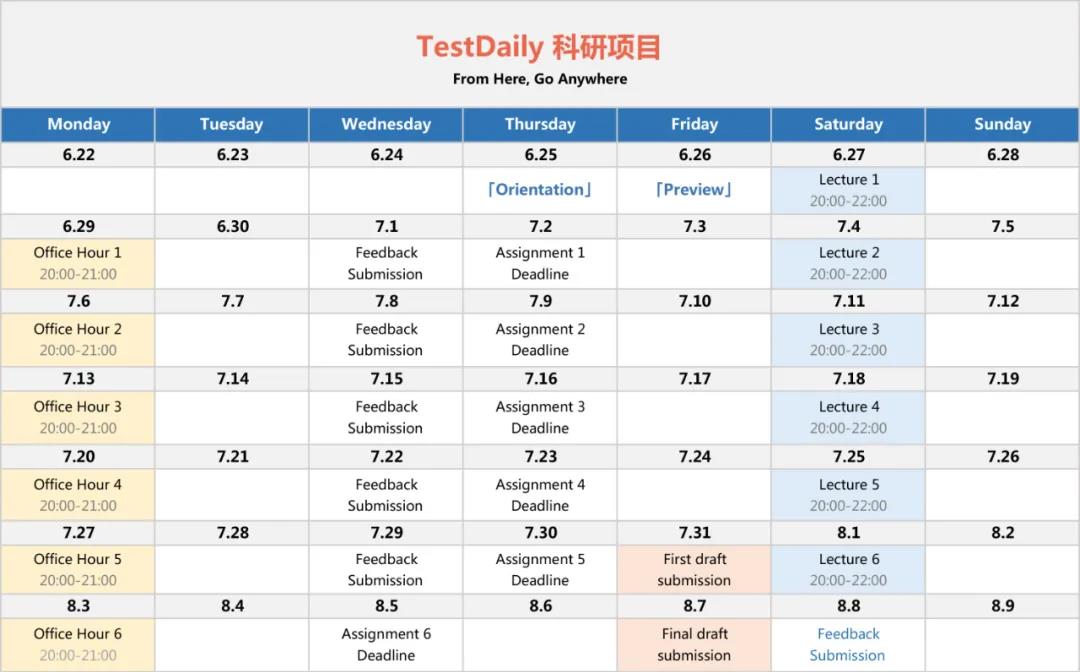
科研时间
 推荐阅读
推荐阅读