
今年AP化学北美卷题型结构与往期保持一致:60 道选择题 + 7 道简答题。整体简答核心考点偏常规,但实验类题型占比明显提升,知识点考查方式更灵活。
FRQ 常规考点稳定FRQ 主流考点延续往年高频内容,包括Ka计算、Kp计算、Faraday’s law, coulomb's law,integrated rate law等,基础题型难度和历年持平,是拿分核心板块。
实验误差分析大幅增难今年实验分析、误差辨析类题目明显变多,集中出现在 FRQ 1C、1D 及 FRQ 6C;往年通常仅 1 道相关考题,今年在题量和思维难度上均有显著提升,也是多数考生觉得考试偏难的主要原因。
小众冷门考点出现试卷新增少量偏门考点,如 FRQ 2 的octet rule例外结构式绘制、FRQ 5B 的原子半径与键角关联分析;不过这类题目分值控制克制,单题分值差距在 3 分以内,依托基础知识点逻辑推理,即可推导出近似答案。
整体试卷评价整体命题核心仍以基础知识考查为主、逻辑推理为辅,没有颠覆性改革。但受实验大题、图像识别类题目数量增加影响,对实验原理、误差分析不熟练的同学,容易被拉低整体卷面分数。
2026年AP化学北美卷FRQ部分
FRQ 1
👉 A Unit 1 atomic structure and properties( electron configuration, radius comparison)
(i) 书写离子 electron configuration
(ii) 同一元素离子和原子比radius
👉 B Unit 6 thermodynamics( calorimeter)
描述鉴定温度变化的实验方法
👉 C Unit 6 thermodynamics( Enthalpy calculation)
(i)利用q = c × m ×△T进行计算。
(i i)利用q /nrxn求取rxn
👉 D Unit 6 thermodynamics( Enthalpy calculation)
热量流失rxn减少
👉 E Unit 6 thermodynamics( Enthalpy calculation)
由于
∣ΔT∣与n成正比,且n(RbCl)<n(KCl),因此∣ΔT RbCl∣<∣ΔT KCl∣
👉 F Unit 7 equilibrium (Ksp)
(i)溶解反应net ionic equation 书写
(i i)基于Ksp的solubility计算
(i i i)common ion effect 降低solubility的作用机理
FRQ 2
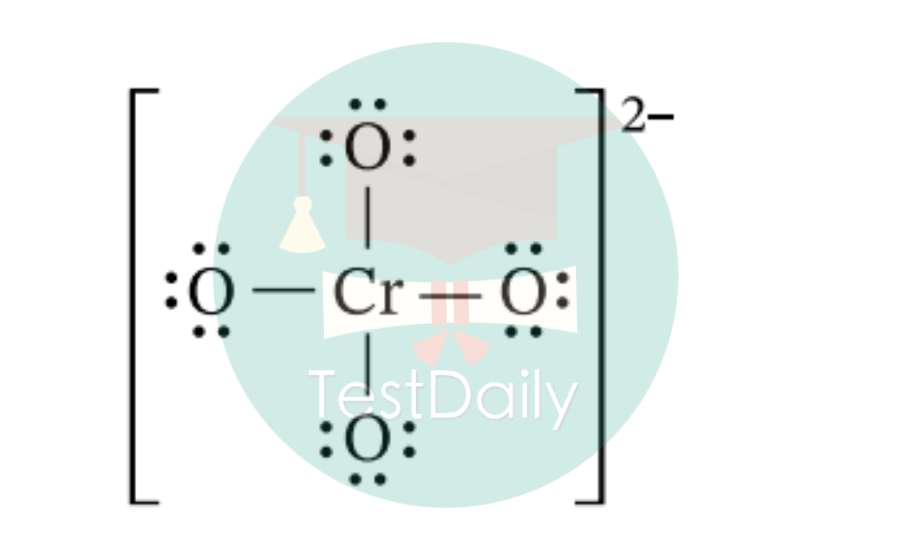
图:FRQ 2 A
👉 A Unit2 molecular and ionic compound structure and properties (Lewis diagram)
(i)基于图像识别分子形状
(ii)基于formal charge 绘画lewis structure(Cr会打破octet rule,double bond 链接两个O,single bond链接两个O)
👉 B Unit 4 reaction (redox reaction)
(i)net ionic equation 书写
(ii)redox reaction辨识(oxidation number辨识)
👉 C Unit9 applications of thermodynamics (gibbs free energy calculation)
利用 计算gibbs free energy
👉 D Unit9 applications of thermodynamics (electroplating)
利用 计算电镀上的分子数量,需要注意转移电子数量和Cr原子生成数量的比值
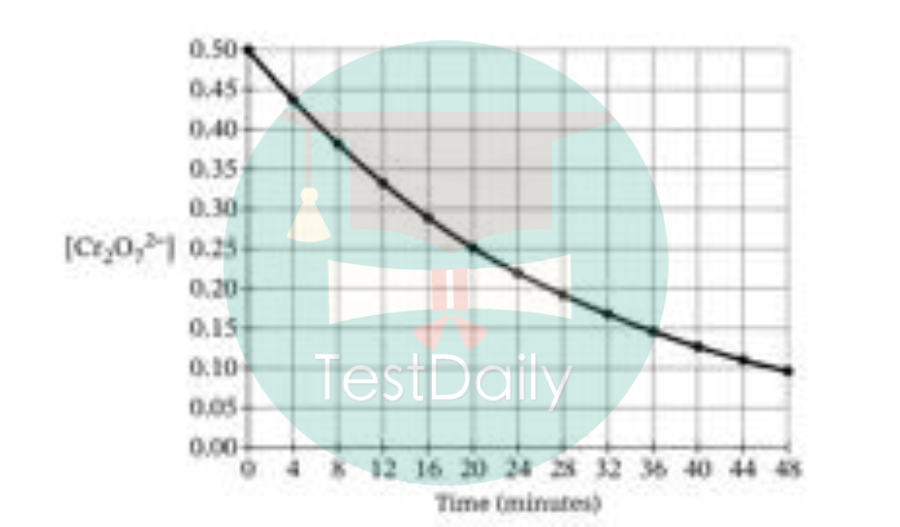
图:FRQ 2 E
👉 E Unit 5 kinetics (integrated rate law)
integrated rate law中reaction order的图像识别
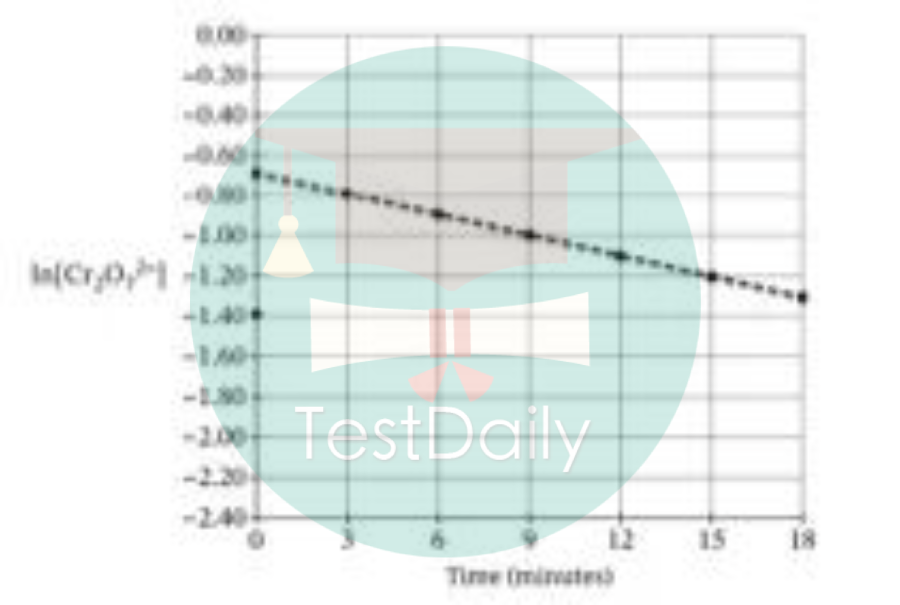
图:FRQ 2 F,G
👉 F Unit 5 kinetics(constant k)
基于first order reaction的斜率求取k
👉 G Unit 5 kinetics(integrated rate law)
基于first order reaction rate constant k与最初浓度无关的概念,在给出的起点处画愿图像平行线
FRQ 3
👉 A Unit 8 acid and base (conjugate acid/base identification)
基于只差一个proton的原则判断共轭酸碱对
👉 B Unit 8 acid and base(pH calculation,weak acid ICE table)
(i)基于,计算
(ii)基于ICE table 计算酸的equlibrium浓度
👉 C Unit 8 acid and base(Ka calculation,Keq vs gibbs free energy)
(i)基础Ka计算
(ii)基于升温后Keq变化判断反应吸放热
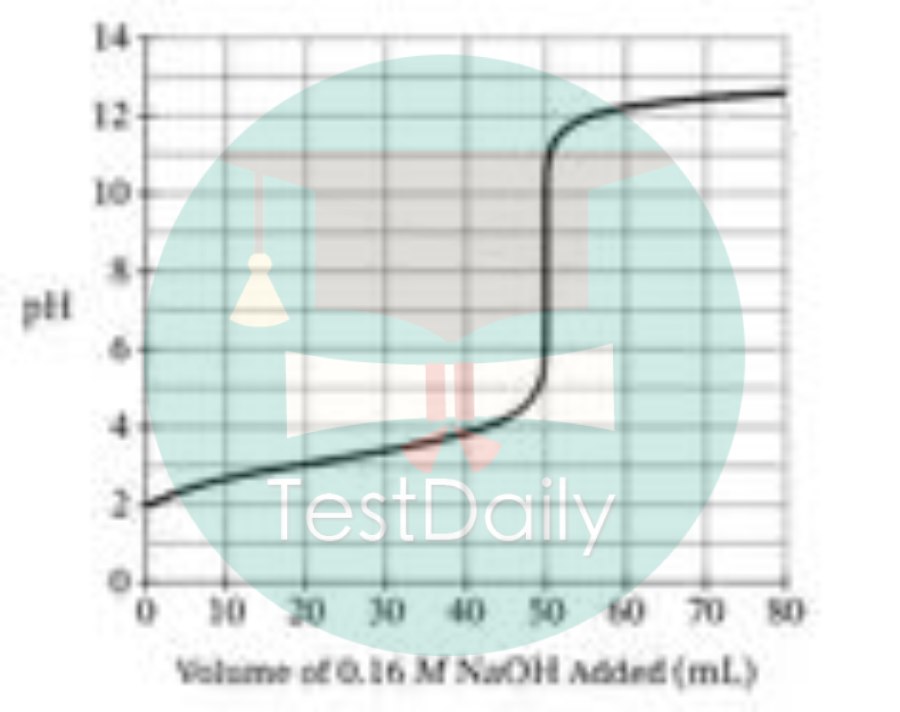
图:FRQ 3 D,E,F
👉 D Unit 8 acid and base(equivalence point pH)
基于滴定图像识别equivalence point pH
👉 E Unit 8 acid and base(equivalent concentration)
基于公式及图像中equivalence point的volume计算酸的浓度
👉 F Unit 8 acid and base(half equivalent)
基于对equivalence point及half equivalence point的辨识确定图中浓度变化位置(应该是未过half equivalence point)
👉 G Unit 7 equilibrium(Keq manipulation)
组合反应式/改变Keq得到总反应式Keq
👉 H Unit 8 acid and base(indicator)
选择在equivalence point pH 变色的indicator
FRQ 4
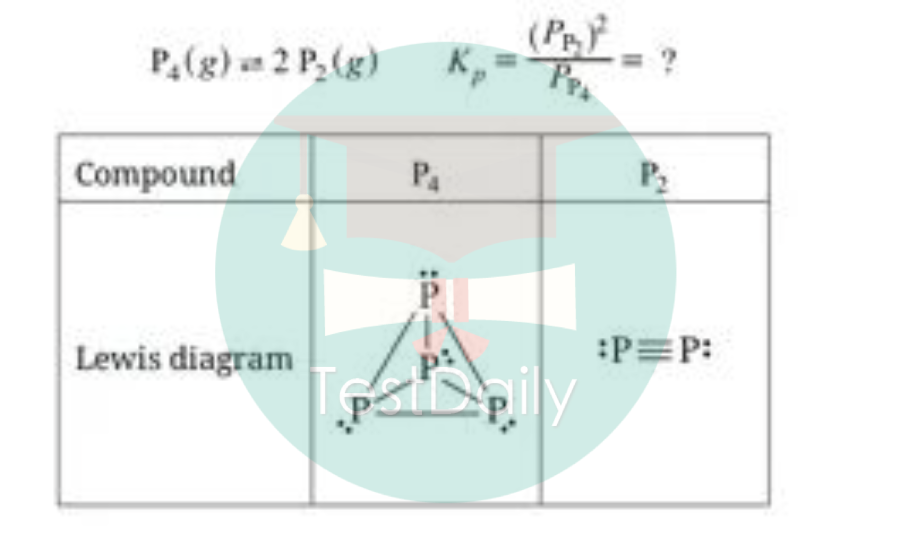
图:FRQ 4 A,B,C
👉 A Unit 2 molecular and ionic compound structure and properties(bond length)
基于bond 数量解释bond length
👉 B Unit 7 equilibrium(Kp calculation)
基于ICE table 求的equilibrium pressure及相关的Kp
👉 C Unit 9 applications of thermodynamics (gibbs free energy)
基于entropy的变化(entropy increase)及高温gibbs energy 小于零,推断enthalpy符号
FRQ 5
👉 A Unit 2 molecular and ionic compound structure and properties(bond polarity)
基于polartiy为电负性差值的定义判断polarity大小
👉 B Unit 2 molecular and ionic compound structure and properties(bond angle)
基于原子大小判定bond angle
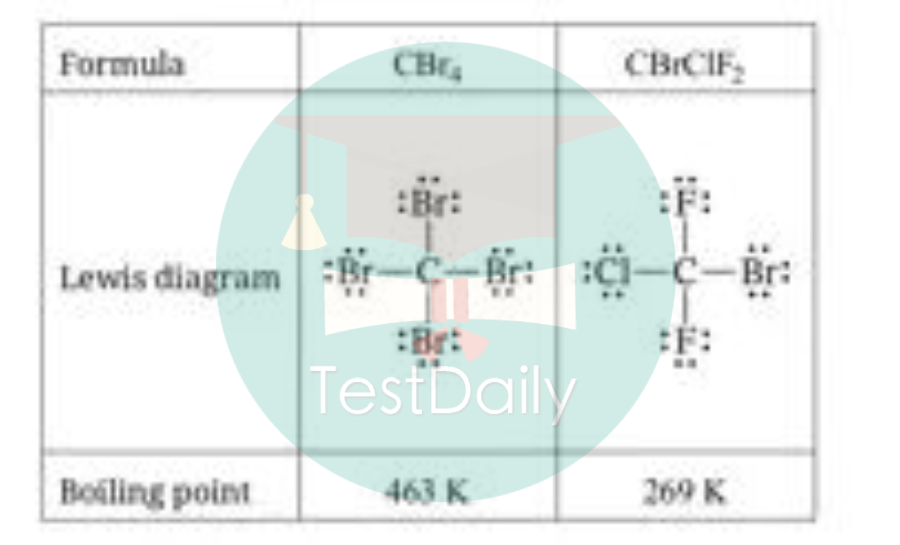
图:FRQ 5 C
👉 C Unit 3 intermolecular force and properties (IMF and boiling point)
(i)IMF 种类识别
(ii)IMF大小的判定
FRQ 6
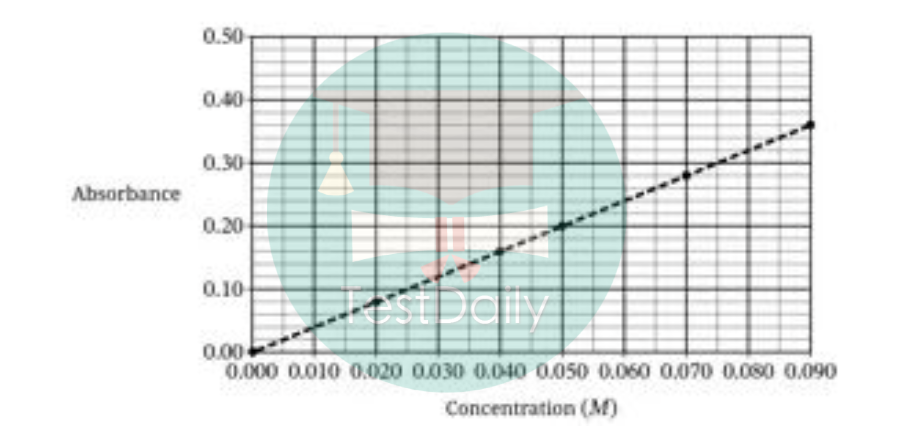
图:FRQ 6 A,B,C
👉 A Unit 3 intermolecular force and properties (beer‘s law)
基于图中absorbance对应的浓度画离子数量
👉 B Unit 3 intermolecular force and properties (beer‘s law,dilution)
(i)基于图像及Absorbance寻找溶液浓度
(ii)基于计算stock solution浓度
👉 C Unit 3 intermolecular force and properties (beer‘s law,dilution)
基于稀释公式及原理,因为稀释后溶液浓度过低,判定稀释前溶液浓度也会过低,结论正确
FRQ 7
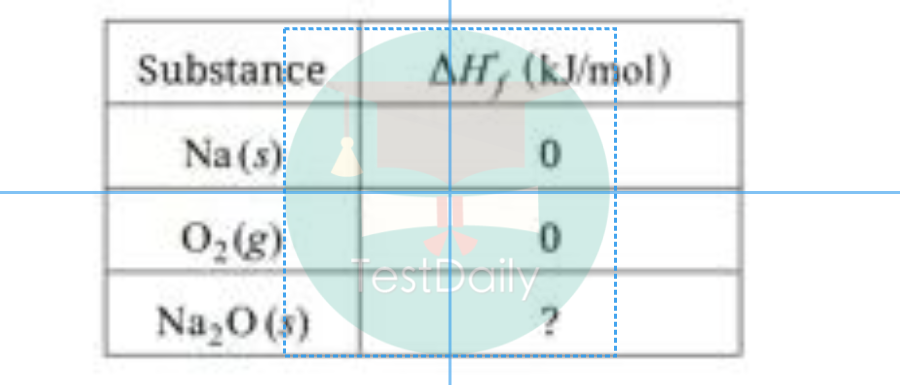
图:FRQ 7 A
👉 A Unit 6 thermodynamics( Enthalpy calculation)
基于enthalpy of formation计算enthalpy(别忘了后减前)
👉 B Unit 6 thermodynamics( Enthalpy calculation)
基于nrxn求取rxn x nrxn = qrxn 计算热量
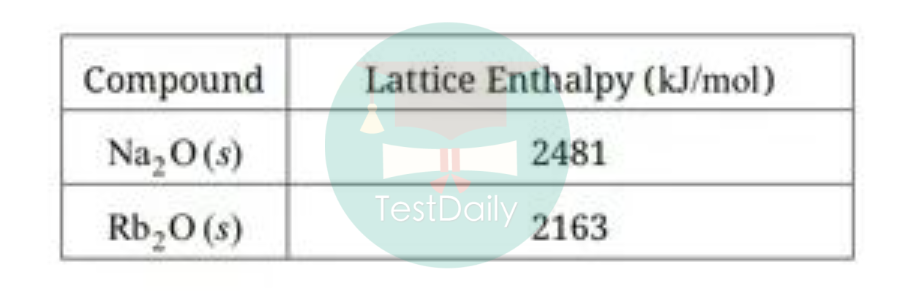
👉 C Unit 2 molecular and ionic compound structure and properties(lattice enthalpy/ coulombs law)
根据库伦法则,radius越小,attraction force 和lattice energy越大的规律,解释lattice energy大小
本文作者

AP备考资料:2026年AP北美卷考试FRQ真题免费领取
TD整理了CB目前在官网最新更新的2026年北美卷的AP FRQ真题免费分享给大家,有需要的同学可以扫下方二维码,添加TD客服马甲,给马甲发送暗号「2026frq」即可领取~其他科目真题将随官网更新陆续放入分享链接中,敬请关注~